
Deadhead miles: what they cost owner-operators and how to cut them
Every empty mile burns fuel, time and tires and pays nothing. What deadhead is, how to count it honestly, and how Bay Area owner-operators plan the reload before they leave.

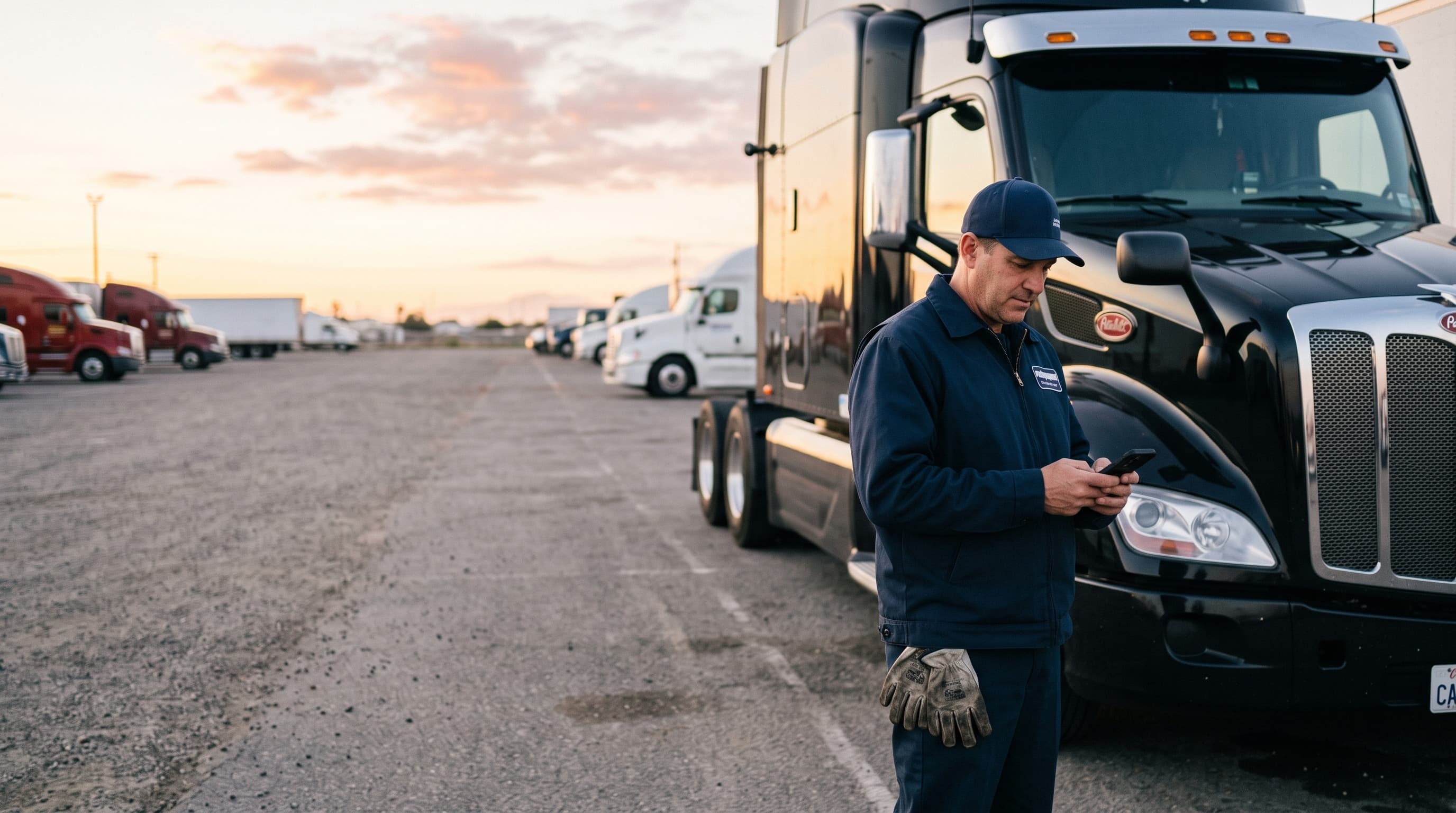
Deadhead miles are miles a truck runs with no paying load: to the first pickup, between a delivery and the next pickup, or home empty. They cost almost as much as loaded miles and earn nothing. The fix is to price every load on total miles and line up the reload before you leave.
Below is what deadhead is, what it costs per mile in 2025 numbers, how to count it on a load offer, and how Bay Area owner-operators keep the return leg paid. If you run out of Northern California, our carrier desk lines up backhauls to the Bay.
What is deadhead in trucking?
A deadhead mile is any mile the truck runs without revenue freight. Bobtailing, running the tractor without a trailer, is one kind. Pulling an empty trailer is another. Both burn fuel and put wear on the truck, and both use hours of service that could be spent on a paying load.
The hours part is easy to miss. Under federal hours of service rules, a property-carrying driver gets 11 hours of driving inside a 14-hour window after 10 hours off duty. Driving time means all time at the controls of a truck in operation, loaded or empty. Two hours of deadhead leave nine for the miles that pay.
How much do deadhead miles cost?
The American Transportation Research Institute's 2026 operational costs report put the industry average cost to run a truck at $2.336 per mile in 2025, up 3.4% and the highest in the report's history. Without fuel it was $1.854 per mile. ATRI also found that deadhead mileage remained elevated.
- $2.336
- AVERAGE COST PER MILE, 2025 (ATRI)
- $1.854
- COST PER MILE WITHOUT FUEL
- $0
- REVENUE ON A DEADHEAD MILE
An empty mile still burns fuel, uses tires and adds to maintenance, and those were among the fastest-rising costs in 2025: ATRI reported repair and maintenance up 8.6%, tires up 6.4% and tolls up 13.2%. At the ATRI average, a 200-mile empty run home costs about $467 before you earn a dollar. Your own cost per mile will differ, so use your numbers when you can.
How do you count deadhead on a load offer?
The right way to judge a load is the rate across all miles, loaded plus empty. A load paying a strong rate for 300 miles that leaves you 200 miles empty from the next freight can pay less per total mile than a lower rate that drops you near a reload.
Example: a load pays $1,200 for 400 loaded miles, $3.00 per mile. If you deadhead 100 miles to pick it up, that is $1,200 over 500 miles, $2.40 per total mile. The same load with 20 miles of deadhead works out to about $2.86.
Count both ends of the trip. The miles to the pickup are easy to see on the offer. The miles from the delivery to your next load are not, and they belong to this load unless you already have the next one booked.
When a load needs a long empty run to reach it, put the deadhead into the price. Some brokers pay a deadhead allowance on specific loads, and many will move on the rate if you show the total miles. Ask before you accept, because the rate confirmation is hard to change once the truck is rolling.
How do you reduce deadhead miles?
PLAN THE RELOAD BEFORE YOU LEAVE
- Look at outbound freight from the delivery area before you accept the load
- Price every load on total miles, loaded plus deadhead
- Build a few regular lanes with brokers and shippers who know your truck
- Tell your broker your home base and the lanes you want back
- Take a short repositioning run to a strong market instead of waiting empty
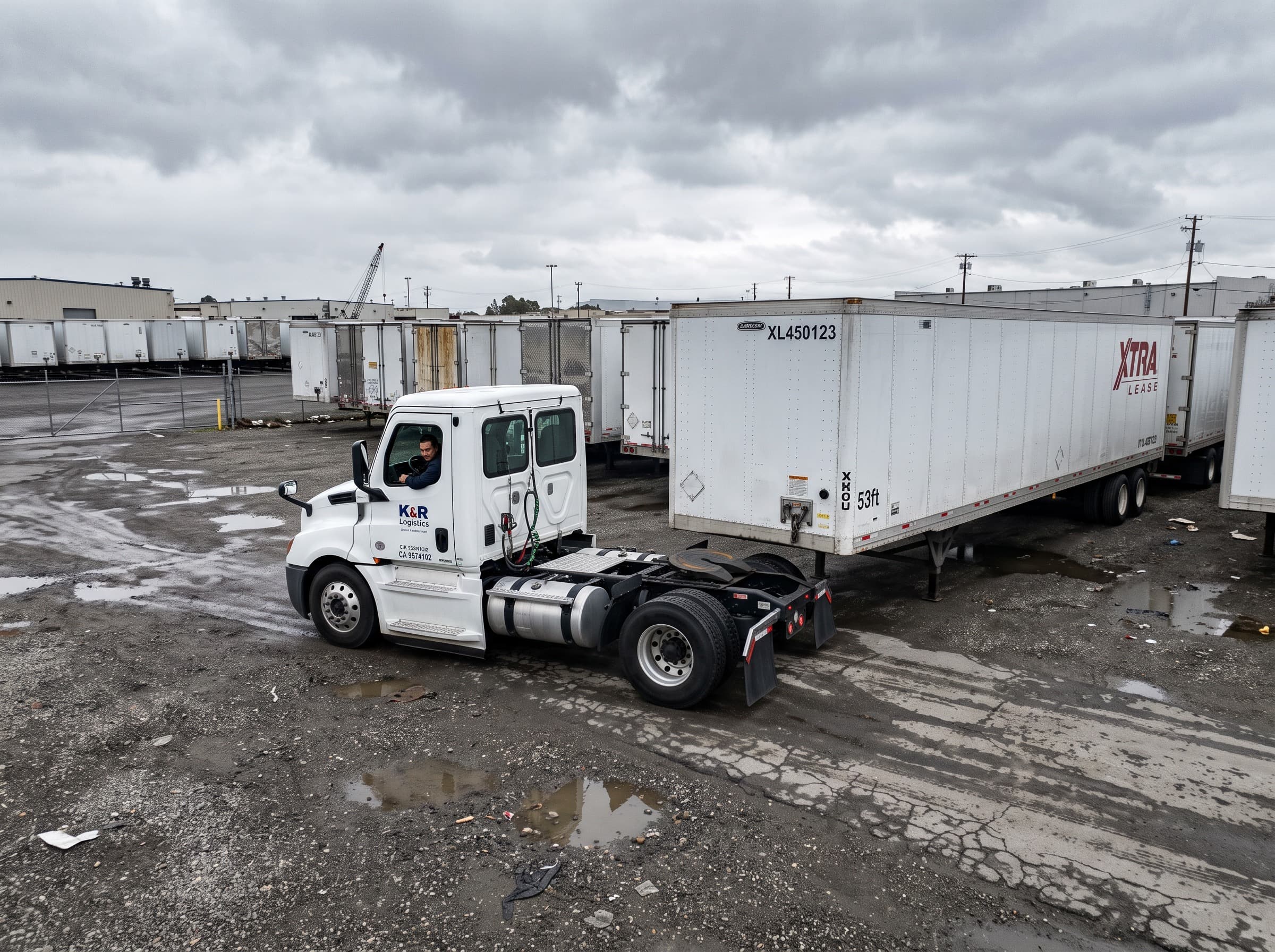
Regular lanes do the most over a year. A broker who knows where you deliver every week can hold freight back toward your base, and a shipper who knows your truck calls you first. That is the difference between hunting for a reload on a load board at the receiver and having one waiting.
Read the whole rate confirmation too. Detention, layover and lumper pay change what a short load is really worth, and a reload that pays detention on time can beat a higher rate from a shipper that keeps you at the dock.
Why is deadheading back to the Bay Area common?
Owner-operators based in the Bay Area often take a load out of state and then need freight that brings them home. Without a planned reload, the return leg runs empty. Port of Oakland drayage, Central Valley agriculture and Bay Area manufacturing all create freight in and out of the region, but the return load has to be lined up before the truck is empty, not after.
Seasons matter as well. Produce volume shifts between Salinas and Yuma each fall and spring, and reefer trucks follow it, as our Salinas Valley produce guide explains. A reefer that goes south with the harvest needs a plan for coming back.
At SFO Freight we post dry van, reefer and flatbed loads out of Oakland, Stockton and San Jose. Tell us where you deliver and we work on a reload so you don't deadhead home. You see the all-in rate and the accessorials before you accept, and carriers who run the same lanes on time get offered them first. For the equipment and freight types we cover, see our freight services.
“PRICE THE TRIP, NOT THE LOAD. THE EMPTY MILES ARE PART OF THE RATE WHETHER YOU COUNT THEM OR NOT.”
Deadhead FAQ
Is deadhead paid?
Usually not. Some brokers pay a deadhead allowance on specific loads. Ask before you accept.
Is bobtailing the same as deadheading?
Bobtailing is driving the tractor without a trailer. It is one type of deadhead.
Do deadhead miles count toward hours of service?
Yes. Driving time is all time at the controls of a truck in operation, so empty miles count toward the 11-hour driving limit.
How do I work with SFO Freight as a carrier?
Send your home base, equipment and preferred lanes through the carrier page.